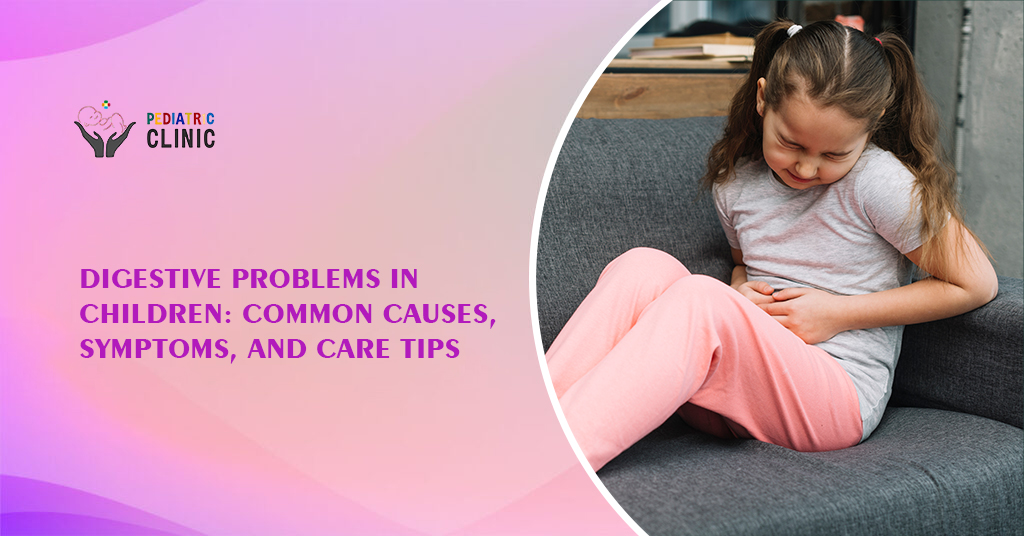
Children experience stomach problems because their bodies need time to adapt to new foods and different daily activities and various environmental changes. Children frequently experience stomach issues which range from intermittent abdominal pain to persistent gastrointestinal distress. Parents experience natural anxiety about their child’s health when digestive issues start to happen frequently and these issues begin to influence their child’s food consumption and physical vitality and everyday functions.
Parents learn to identify minor digestive symptoms through their understanding of children’s digestive disorders. Most digestive problems can be treated effectively through proper nutrition practices and required lifestyle modifications. Parents can use their knowledge of warning signals to take preventive measures against multiple serious health problems.
Parents can use this guide to understand the main reasons behind children’s digestive problems which come with specific symptoms and need particular care methods to help their children achieve better digestive health.
Understanding Digestive Problems in Children
The digestive system of a child needs time to develop so its digestive system functions require more time compared to existing adult systems. Digestion gets affected by changes which include new foods and new eating patterns and new hygienic practices and emotional tensions.
Digestive problems present in children affect either their stomachs or intestines or their capacity to digest food properly. Certain problems develop suddenly while other problems take time to develop.
The most common digestive problems that pediatricians encounter in their young patients are:
- Stomach pain
- Constipation
- Diarrhea
- Gas or bloating
- Indigestion
- Food intolerance
Most of these conditions are manageable, but repeated symptoms should never be ignored.
Also Read:
- Early Signs and Symptoms of Childhood Cancer Every Parent Should Know
- Is Gripe Water Safe for Babies? Uses, Benefits, and Side Effects
- Importance of Timely Vaccination
- Autism in Children: Early Signs, Symptoms, and Treatment Options
- Managing Tantrums in Toddlers Without Stress
Why Digestive Health Is Important for Children
Healthy digestion plays a crucial role in a child’s overall growth and development. When the digestive system functions well, the body absorbs nutrients properly, supports immunity, and provides energy for daily activities.
Poor digestive health can lead to several problems such as:
- Weak immunity
- Poor appetite
- Nutritional deficiencies
- Fatigue
- Difficulty concentrating
This is why parents should pay attention to persistent digestive symptoms and understand their possible causes.
Common Causes of Digestive Problems in Children
Digestive issues can arise due to several everyday factors. Identifying the cause helps parents manage the problem effectively.
Unhealthy Eating Habits
One of the most common reasons behind digestive problems in children is irregular eating patterns. Children today often consume processed foods, sugary snacks, and fast food, which can disturb digestion.
Eating too quickly, skipping meals, or overeating can also create discomfort in the stomach. When children do not chew food properly, the digestive system has to work harder to break it down.
Encouraging balanced meals and regular eating times can significantly improve digestion.
Low Fiber Intake
Fiber is essential for proper digestion, especially in preventing constipation. When children consume too little fiber, bowel movements become irregular and difficult.
Low fiber intake usually happens when a child’s diet lacks:
- Fruits
- Vegetables
- Whole grains
- Nuts and seeds
Including fiber-rich foods in daily meals helps keep the digestive system active and healthy.
Food Intolerance
Some children have difficulty digesting certain foods. For example, lactose intolerance can cause stomach pain, gas, and diarrhea after consuming dairy products.
Food intolerance does not always appear immediately. Sometimes symptoms occur hours later, making it harder for parents to identify the cause.
Common trigger foods include:
- Dairy products
- Processed foods
- Fried food
- Excess sugar
Observing how a child reacts to specific foods can help identify potential sensitivities.
Infections and Poor Hygiene
Children are naturally active and often come into contact with germs while playing, especially outdoors or at school. Poor hand hygiene can lead to infections that affect the stomach and intestines.
Bacterial or viral infections may cause:
- Diarrhea
- Vomiting
- Abdominal pain
- Fever
Teaching children proper handwashing habits is one of the most effective ways to prevent digestive infections.
Stress and Emotional Factors
Many parents do not realize that emotional stress can also affect digestion. School routine changes together with academic pressure and social challenges lead to stomach discomfort in children.
The brain and digestive system maintain a strong connection. People who experience anxiety or stress develop physical symptoms that include stomach pain together with nausea and loss of appetite.
The combination of emotional support together with open communication help people reduce digestive problems that stem from stress.
Common Symptoms of Digestive Problems in Children
Digestive issues often show clear signs. Recognizing these symptoms early allows parents to take appropriate action.
Frequent Stomach Pain
Occasional stomach pain is common, but repeated complaints should be taken seriously. Pain may occur after meals, during school hours, or before bedtime.
If stomach pain continues for several days or interferes with normal activities, medical advice should be considered.
Constipation
Constipation occurs when bowel movements become difficult or infrequent. Children with constipation may experience discomfort, bloating, or loss of appetite.
Signs of constipation include:
- Hard stools
- Pain during bowel movements
- Going several days without passing stool
- Feeling of incomplete digestion
Improving hydration and fiber intake often helps relieve constipation.
Diarrhea
Diarrhea can occur due to infections, food intolerance, or contaminated food and water. While mild diarrhea usually resolves within a short time, persistent diarrhea can lead to dehydration.
Parents should ensure that children drink enough fluids and seek medical help if diarrhea continues.
Gas and Bloating
Gas formation is common when food is not digested properly. Children may complain about stomach tightness or discomfort after eating.
This can occur due to:
- Eating too fast
- Drinking carbonated beverages
- Consuming gas-producing foods
Simple dietary adjustments can often reduce bloating.
Nausea or Vomiting
Nausea or vomiting can occur due to infections, indigestion, or food-related issues. While occasional vomiting is not always serious, repeated episodes should be evaluated by a doctor.
Vomiting accompanied by fever, dehydration, or severe stomach pain requires immediate medical attention.
Care Tips to Improve Digestive Health in Children
Supporting a child’s digestive system does not always require complex treatments. Simple lifestyle and dietary changes can make a big difference.
Encourage Balanced Meals
Children should eat a balanced diet that includes fruits, vegetables, whole grains, proteins, and healthy fats. Nutritious meals support digestion and overall health.
Parents should try to limit processed foods and sugary snacks, which often cause digestive discomfort.
Maintain Proper Hydration
Water helps the digestive system function smoothly. Children who drink enough water are less likely to experience constipation or bloating.
Encouraging water intake throughout the day is essential, especially during physical activity or warm weather.
Establish Regular Meal Times
Irregular eating patterns can disturb digestion. Children should eat meals at consistent times each day so the body can develop a healthy digestive routine.
Regular meals also prevent overeating and improve nutrient absorption.
Promote Physical Activity
Physical activity stimulates digestion and helps prevent constipation. Outdoor play, sports, or simple daily movement supports gut health.
Limiting excessive screen time can also encourage a more active lifestyle.
Teach Healthy Hygiene Habits
Good hygiene plays a key role in preventing stomach infections. Parents should teach children to wash their hands:
- Before eating
- After using the restroom
- After playing outside
These simple habits can significantly reduce digestive illnesses.
When Parents Should Consult a Doctor
While many digestive problems improve with simple care, some symptoms require medical attention.
Parents should consult a doctor if a child experiences:
- Persistent stomach pain
- Blood in stool
- Severe constipation or diarrhea
- Continuous vomiting
- Sudden weight loss
- Loss of appetite for several days
Early medical advice helps identify the cause and prevents complications.
Supporting Long-Term Digestive Health
Children who establish healthy habits during their early years will maintain better digestive health throughout their entire lives. Digestive wellness depends on consuming a balanced diet while maintaining an active lifestyle and receiving emotional support and having health checkups.
Parents who maintain constant observation of their child’s wellbeing establish the ability to identify health alterations and provide appropriate medical treatment.
Most children with digestive issues will achieve full recovery through proper guidance which enables them to grow and live active lives.
Conclusion
Digestive problems in children are common, but they should not be ignored when symptoms persist. Parents need to understand common causes and symptoms of digestive problems in their children because this knowledge allows them to take immediate action which helps their child to recover.
Most digestive issues become manageable when people follow healthy eating habits and maintain proper hygiene and undergo regular health assessments. People should always choose to consult a healthcare professional whenever they experience uncertainty.
The existence of a healthy digestive system enables children to develop their physical abilities while they study and participate in their daily activities which they handle with energetic capacity and self-assuredness.
FAQ: Digestive Problems in Children
1. What are the most common digestive problems in children?
The most common digestive issues include constipation, diarrhea, stomach pain, gas, bloating, and indigestion.
2. When should parents worry about stomach pain in children?
Parents should seek medical advice if stomach pain is severe, persistent, or accompanied by vomiting, fever, or weight loss.
3. Can diet affect a child’s digestion?
Yes. Diet plays a major role in digestive health. Low fiber intake, processed foods, and irregular eating habits can cause digestive discomfort.
4. How can parents improve their child’s digestion naturally?
Providing balanced meals, encouraging hydration, promoting physical activity, and maintaining regular meal schedules can improve digestion.
5. Are digestive problems in children preventable?
Many digestive issues can be prevented with healthy eating habits, proper hygiene, and regular medical checkups.