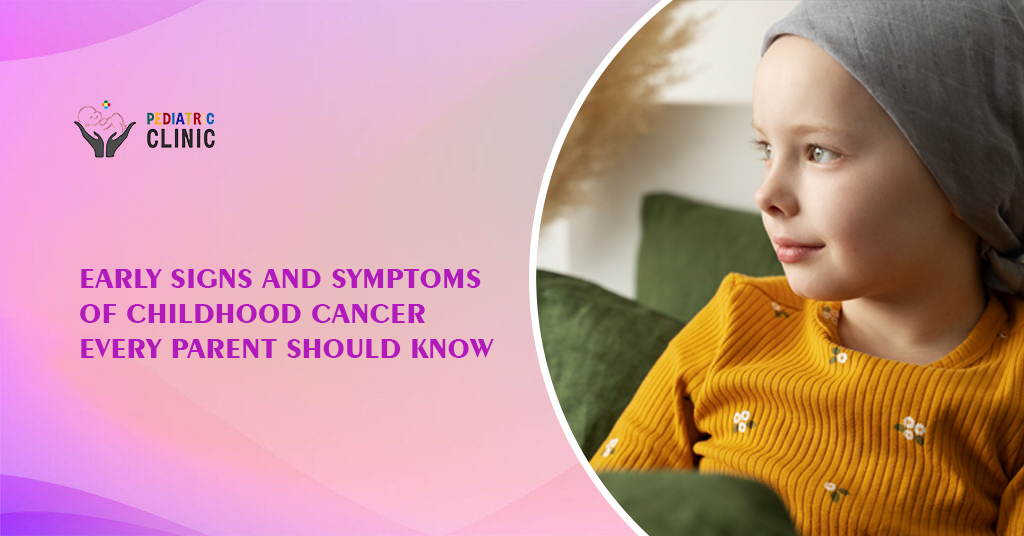
The health of a child ranks as the foremost concern for all parents. Most childhood illnesses are mild and temporary, but there are situations where certain symptoms should never be ignored. People need to understand childhood cancer because it remains an uncommon disease, yet awareness helps in achieving early diagnostic methods and successful treatment processes.
The early signs and symptoms of childhood cancer become difficult for many parents to identify because they mimic typical health issues such as infections and fatigue and growth-related pain. Parents who understand what constitutes normal behavior and what requires medical attention will know when to take action.
The complete handbook describes all early childhood cancer indicators which parents should observe and all medical conditions which require treatment.
Understanding Childhood Cancer
Childhood cancer describes cancers that appear in children between their first birthday and their eighteenth birthday. The cancers that affect children develop through uncontrolled cellular development whereas adult cancers arise from lifestyle choices.
The most common types of childhood cancer include:
Leukemia
Leukemia stands as the most prevalent cancer in children because it affects both blood and bone marrow. The disease prevents the body from creating healthy blood cells while simultaneously disrupting its infection-fighting capabilities.
Brain and Spinal Cord Tumors
These tumors impact the central nervous system and may disrupt a child’s ability to maintain balance while also affecting their visual capabilities and behavioral patterns and their complete growth process.
Lymphoma
Lymphoma represents a cancer that affects the lymphatic system which functions as an integral component of the human immune system. The condition causes lymph nodes to expand which results in impairment of the body’s disease-fighting mechanisms.
Neuroblastoma
This cancer primarily affects infants and young children because it originates from the adrenal glands and nerve tissues.
Bone Cancers
Bone cancers such as osteosarcoma primarily impact developing bones which leads to continuous discomfort and swelling.
The medical conditions appear dangerous yet medical professionals can successfully treat patients when they detect these conditions during their early stages.
Also Read:
- Is Gripe Water Safe for Babies? Uses, Benefits, and Side Effects
- Importance of Timely Vaccination
- Autism in Children: Early Signs, Symptoms, and Treatment Options
- Managing Tantrums in Toddlers Without Stress
Why Early Detection Is Extremely Important
Children’s bodies grow quickly, and diseases can progress faster compared to adults. Detecting the early signs and symptoms of childhood cancer allows doctors to begin treatment before the disease advances.
Early diagnosis helps in several ways:
- Treatment can begin sooner
- The disease may be easier to control
- Complications may be reduced
- Recovery chances become significantly higher
Parents play a key role because they are the first to notice changes in their child’s health, behavior, or energy levels.
Early Signs and Symptoms of Childhood Cancer Parents Should Never Ignore
Most symptoms which children with cancer show their symptoms which resemble common medical conditions. The need for medical evaluation arises when these symptoms continue for extended periods or become worse or show multiple symptoms together. Parents need to focus on these particular signs which serve as the most critical danger signals to watch out for.
Unexplained Weight Loss
As children grow their bodies naturally develop weight. The body faces an underlying health problem when weight loss happens suddenly without any evident cause. Parents should not ignore weight loss which occurs in their child who eats normally. The body uses energy to combat a serious medical condition which results in this phenomenon.
Parents should pay attention to:
- Loose clothing that previously fit well
- Loss of appetite
- Sudden weakness
- Reduced physical activity
A pediatric consultation is recommended if weight loss continues over time.
Frequent Fever or Repeated Infections
Children typically experience infections throughout their academic years. The body requires time to recover from illnesses after 90 days permanent fever and repeated infections start to show weaker defense system.
Some childhood cancers affect blood cells responsible for fighting infections. The child will experience recurring episodes of:
- Fever that keeps returning
- Severe colds or infections
- Slow recovery from illness
- Weak immunity
Medical professionals need to evaluate a child who suffers from multiple unexplained illnesses.
Constant Fatigue or Unusual Weakness
Children are naturally energetic. When a child suddenly becomes tired all the time, avoids playing, or seems unusually weak, parents should observe carefully.
Persistent fatigue may occur when the body is not producing enough healthy blood cells or when energy is being used to fight disease.
Signs parents may notice include:
- Excessive sleeping
- Lack of interest in activities
- Pale appearance
- Shortness of breath during play
While fatigue can result from many conditions, long-lasting weakness should always be checked by a doctor.
Unusual Bruising or Bleeding
Children often get bruises from running and playing. However, frequent bruising without injury or unusual bleeding may indicate problems with blood clotting or platelet levels.
Warning signs may include:
- Bruises appearing easily
- Nosebleeds that happen frequently
- Bleeding gums
- Tiny red spots on the skin
- Slow healing of cuts
If these symptoms occur repeatedly, a medical examination is necessary.
Persistent Bone or Joint Pain
Many children complain of leg pain during growth phases, often called growing pains. However, bone pain that continues for weeks or becomes severe should not be ignored.
Parents should look for:
- Pain that wakes the child at night
- Swelling near joints
- Limping while walking
- Reduced movement or stiffness
Persistent bone pain may require medical testing to determine the cause.
Lumps or Swelling in the Body
One of the noticeable early signs and symptoms of childhood cancer is the presence of a lump or swelling.
Parents may observe lumps in areas such as:
- Neck
- Abdomen
- Underarms
- Chest
- Groin
While many lumps are caused by infections or swollen lymph nodes, lumps that grow, feel firm, or do not disappear should be examined by a doctor.
Frequent Headaches with Vomiting
Headaches in children can happen due to dehydration, stress, or lack of sleep. However, repeated headaches accompanied by vomiting may need medical attention.
Symptoms that require evaluation include:
- Early morning headaches
- Vomiting without stomach illness
- Headaches that worsen over time
- Sensitivity to light or vision issues
These symptoms may indicate pressure inside the brain and should be investigated.
Vision Problems or Balance Issues
Children may not always explain vision problems clearly. Parents should watch for unusual behavior such as:
- Difficulty seeing clearly
- Squinting frequently
- Double vision
- Trouble walking or maintaining balance
- Sudden clumsiness
These symptoms may indicate neurological concerns and require immediate medical advice.
Persistent Abdominal Pain or Swelling
Stomach pain is common in children, but ongoing abdominal discomfort along with swelling may signal an underlying issue.
Parents should observe:
- Constant stomach pain
- Hard or swollen abdomen
- Loss of appetite
- Vomiting
- Sudden weight changes
If abdominal swelling becomes noticeable or painful, medical evaluation is important.
Pale Skin and Noticeable Physical Changes
A child’s appearance can sometimes reveal health problems. Sudden paleness, dark circles under the eyes, or reduced activity levels may suggest anemia or other conditions affecting blood cells.
Parents may notice:
- Pale or dull skin
- Extreme tiredness
- Dizziness
- Reduced physical strength
These symptoms should be assessed by a healthcare professional.
Behavioral Changes Parents Should Pay Attention To
Sometimes the earliest warning signs are not physical symptoms but behavioral changes.
Children experiencing illness may show:
- Irritability
- Lack of interest in favorite activities
- Poor concentration
- Reduced appetite
- Sleep disturbances
When these changes persist alongside physical symptoms, parents should seek medical guidance.
When Parents Should Seek Medical Help
Parents should trust their instincts. If something feels unusual about their child’s health, it is always better to consult a doctor.
Medical advice should be taken if:
- Symptoms last longer than two weeks
- Pain continues or worsens
- A lump increases in size
- The child becomes unusually tired
- Multiple symptoms appear together
Doctors may recommend blood tests, imaging scans, or further evaluation to understand the cause.
How Childhood Cancer Is Diagnosed
Diagnosis usually involves several steps to identify the problem accurately.
Medical History
Doctors ask detailed questions about symptoms, duration, and health changes.
Physical Examination
The child is examined for swelling, pain, infections, or unusual signs.
Blood Tests
Blood tests help evaluate red cells, white cells, and platelets.
Imaging Tests
Scans such as X-rays, CT scans, or MRIs may be used to detect abnormalities.
Biopsy
In some cases, a small sample of tissue may be tested to confirm diagnosis.
Early evaluation ensures the correct treatment plan can begin quickly.
Supporting Children and Families
If a child is diagnosed with cancer, emotional support becomes just as important as medical treatment. Families often experience fear, confusion, and stress during this time.
Support can include:
- Honest communication with the child
- Guidance from medical professionals
- Emotional support from family and community
- Counseling services when needed
Modern medicine has improved treatment outcomes significantly, and many children recover and lead healthy lives.
Final Thoughts
The first indicators of childhood cancer begin with symptoms that exhibit mildness. The public needs to understand this information because it exists as essential knowledge for all parents.
The process begins with the identification of unusual symptoms which leads to health tracking of the child and immediate medical consultation. The medical field experiences two significant advantages from early diagnosis because it enhances treatment success rates and provides children with better recovery opportunities.
Parents should not experience panic at every child symptom, but they must focus on gathering knowledge and watching their child for signs of health issues.
FAQ: Early Signs and Symptoms of Childhood Cancer Every Parent Should Know
1. What is usually the first sign of childhood cancer?
The first signs may include persistent fatigue, frequent infections, unusual bruising, or unexplained lumps. These symptoms should be evaluated if they continue over time.
2. Is childhood cancer common?
Childhood cancer is relatively rare compared to adult cancers, but it still affects many families worldwide each year.
3. Can childhood cancer be treated successfully?
Yes. Advances in medical science have significantly improved survival rates, especially when cancer is detected early.
4. When should parents be concerned about symptoms?
Parents should consult a doctor if symptoms persist for more than two weeks, worsen over time, or appear together.
5. Can regular health checkups help detect childhood cancer early?
Routine medical checkups can help doctors notice unusual symptoms early and recommend further tests if necessary.