
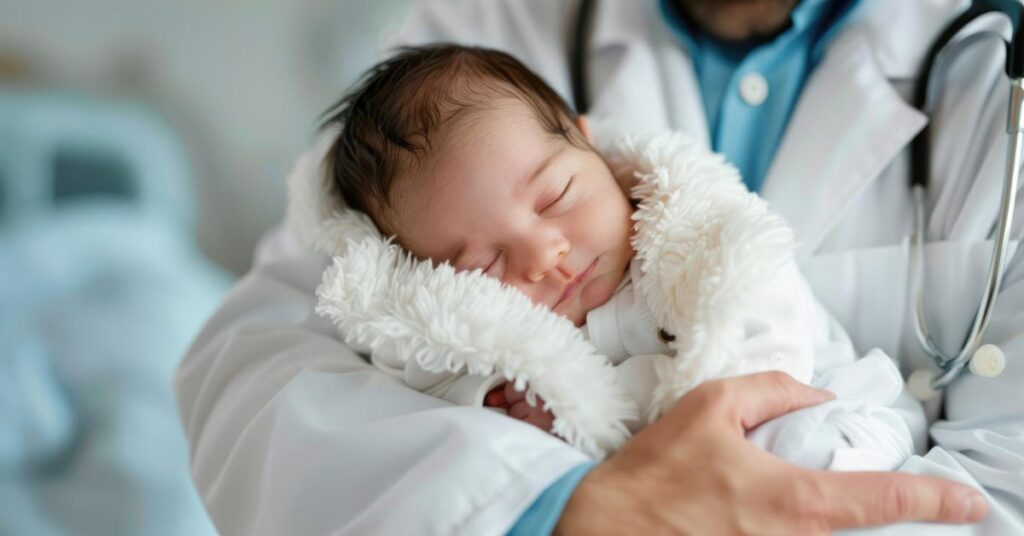
The moment a baby enters the world, the first few hours and days become critical for ensuring long-term health, growth, and development. In pediatrics, “Essential Newborn Care” refers to a structured, holistic approach that focuses on protecting the newborn from complications, promoting healthy growth, supporting early development, and empowering parents with the knowledge to care for their baby confidently.
Follow On
At Pediatric New Born Clinic, we emphasize that newborn care is not just medical protocols — it is a nurturing process that integrates medical evaluation, safe practices, parental education, and continuous monitoring. This comprehensive guide explains what essential newborn care includes, why it is important, and how pediatricians ensure your baby receives the safest and healthiest start to life.
Understanding Essential Newborn Care
Essential Newborn Care (ENC) in pediatrics combines medical guidelines and mother–baby care practices that support:
- Physiological stabilization
- Prevention of infections
- Early feeding support
- Monitoring growth, reflexes, and adaptation
- Safe transition from hospital to home
- Guidance for parents and caregivers
The overall goal is to create the strongest possible foundation during the first hours, days, and weeks of life.
Also Read:
- Track Your Baby’s Growth and Development
- Choose the Right Pediatrician for Your Child
- Vitamin D Supports Healthy Growth
- New Vaccines and Global Health
1. Immediate Newborn Assessment
The first step of essential newborn care occurs within moments after birth.
A. Checking Breathing and Cry
A newborn’s first cry is an indication that the lungs have expanded and breathing has begun. Pediatricians ensure:
- The baby is breathing normally
- There are no signs of respiratory distress
- Skin color is normalizing
This rapid assessment ensures the baby is stable.
B. Temperature Maintenance
Keeping the baby warm is crucial because newborns lose heat rapidly. Methods include:
- Immediate drying after birth
- Skin-to-skin contact with the mother
- Covering the baby’s head
- Ensuring a warm environment
Maintaining temperature reduces the risk of hypothermia, which can affect feeding, breathing, and immunity.
2. Early and Exclusive Breastfeeding Support
Breastfeeding is a cornerstone of essential newborn care. Pediatricians encourage:
- Breastfeeding within the first hour of life
- Correct positioning and latching
- Exclusive breastfeeding for the first 6 months
Benefits include:
- Stronger immunity
- Support for growth and brain development
- Emotional bonding
- Protection from infections
Guiding new mothers through initial breastfeeding challenges forms a major part of pediatric newborn care.
3. Cord Care and Hygiene Practices
Proper umbilical cord care is essential to prevent infections.
Pediatric recommendations include:
- Keeping the cord stump clean and dry
- Avoiding application of oils, powders, or traditional substances
- Observing for redness, swelling, or discharge
General newborn hygiene includes gentle cleaning, safe bathing practices, and maintaining a clean environment around the baby.
4. Eye Care and Skin Care
Newborn eye care includes:
- Cleaning the eyes gently with clean cotton or cloth
- Monitoring for excessive watering or discharge
Skin care focuses on:
- Using gentle, baby-safe products
- Avoiding unnecessary lotions or powders initially
- Observing for rashes or irritation
Newborn skin is delicate and requires mild and careful handling.
5. Monitoring Reflexes and Physical Health
Essential newborn care includes assessing neurological reflexes such as:
- Sucking
- Grasping
- Moro reflex
- Rooting reflex
These reflexes indicate proper neurological function. Pediatricians also evaluate:
- Muscle tone
- Movements
- Head circumference
- Weight and length
Monitoring these parameters creates a baseline for future growth assessments.
6. Safe Sleep Guidelines
Sleep is vital for brain development and physical growth. Pediatricians guide parents on:
- Placing the baby on their back to sleep
- Avoiding pillows or soft bedding
- Keeping the sleep area free from toys or loose cloth
- Maintaining a calm, comfortable sleep environment
Safe sleep prevents risks such as suffocation or sleep-related issues.
7. Preventive Care: Vaccination & Screening
Essential newborn care also includes preventive steps:
A. Vaccination at Birth
The first vaccines protect the baby against critical infections. These vaccines begin the immunization schedule that continues over months and years.
B. Screening for Health Conditions
Newborn screening helps detect conditions early, allowing timely care. Screenings may include:
- Metabolic and hormonal assessments
- Hearing screening
- Jaundice evaluation
Early diagnosis ensures early intervention.
8. Care for Common Newborn Concerns
Pediatricians also guide parents on managing normal newborn conditions such as:
- Jaundice
- Colic
- Feeding difficulties
- Sleep irregularities
- Minor skin issues
Parents often worry about normal newborn behaviors such as sneezing, hiccups, or irregular breathing patterns. Essential newborn care includes explaining these normal patterns to reduce anxiety.
9. Parent and Family Education
A major component of essential newborn care is educating parents. Pediatricians provide guidance on:
- Feeding schedule and techniques
- Burping and holding positions
- Bathing and diaper care
- Recognizing danger signs
- Understanding normal newborn behaviors
Educated parents feel more confident, leading to better overall care for the newborn.
10. Follow-Up Visits and Growth Monitoring
Newborn care does not end at the hospital. Follow-up visits ensure that the baby is:
- Gaining weight
- Feeding well
- Sleeping adequately
- Showing expected reflexes and development
Growth monitoring includes measuring:
- Weight
- Length
- Head circumference
These parameters help track the baby’s growth curve and identify any concerns early.
Why Essential Newborn Care Is Important
Essential newborn care:
- Protects newborns from infections
- Reduces risks during early life
- Supports healthy feeding habits
- Builds a strong immune system
- Encourages parent–child bonding
- Ensures proper brain and physical development
- Helps detect issues early
The principles of newborn care form the foundation for lifelong health.
Essential Newborn Care at Pediatric New Born Clinic
At Pediatric New Born Clinic, essential newborn care is approached with:
- Experienced pediatric expertise
- Personalized evaluations
- Guidance tailored to each family
- Focus on growth, development, and preventive care
Services include:
- Newborn health check-ups
- Growth monitoring
- Vaccination
- Feeding and nutrition guidance
- Management of newborn concerns
- Parent education and follow-up support
Our clinic ensures that each baby receives safe, compassionate, and scientifically guided care from day one.
Final Thoughts: Giving Your Baby the Best Start
Essential newborn care in pediatrics is a combination of science, experience, and compassionate guidance. The early days of a baby’s life shape their future health, development, and well-being. By following safe newborn care practices and staying connected with your pediatrician, you ensure that your child grows in a healthy, happy, and secure environment.
If you are a new parent or expecting soon, Pediatric New Born Clinic provides comprehensive newborn care, guidance, and support to help you navigate this precious phase with confidence.
FAQs
1. What is essential newborn care in pediatrics?
It is a set of medical and caregiving practices designed to support a baby’s health immediately after birth, including warmth, feeding, hygiene, and monitoring.
2. Why is early breastfeeding important?
Early breastfeeding provides colostrum, boosts immunity, prevents infections, and supports healthy growth and bonding.
3. How do doctors monitor newborn health?
Doctors check weight, temperature, breathing, feeding habits, reflexes, and overall physical condition during regular assessments.
4. What is included in newborn hygiene care?
Hygiene care includes gentle bathing, proper skin care, diaper hygiene, cord care, and maintaining a clean environment.
5. What is cord care and why is it essential?
Cord care prevents infection at the umbilical stump by keeping the area clean, dry, and exposed to air.
6. When should newborn vaccinations start?
Vaccinations start at birth with essential doses, followed by scheduled immunizations to protect the baby from serious diseases.
7. How do I know if my newborn is feeding well?
A well-fed newborn has regular wet diapers, steady weight gain, good sleep, and active feeding patterns.
8. What are common warning signs in newborns?
Poor feeding, fever, breathing difficulty, yellow skin, irritability, or excessive sleepiness require immediate medical attention.
9. How often should a newborn have check-ups?
Regular visits are recommended after birth, at 1–2 weeks, and monthly assessments during early infancy for growth and development.
10. What guidance do pediatricians provide to new parents?
Pediatricians guide parents on feeding, sleep routines, hygiene, development milestones, vaccinations, and overall newborn safety.
Informational Details:
Visit For Treatment: Location
Visit us: Website 👨⚕️ Dr. Amandeep Singh MBBS, MD (Pediatrics), FNNF
📍 Amrapali Dream Valley, Greater Noida West, UP

