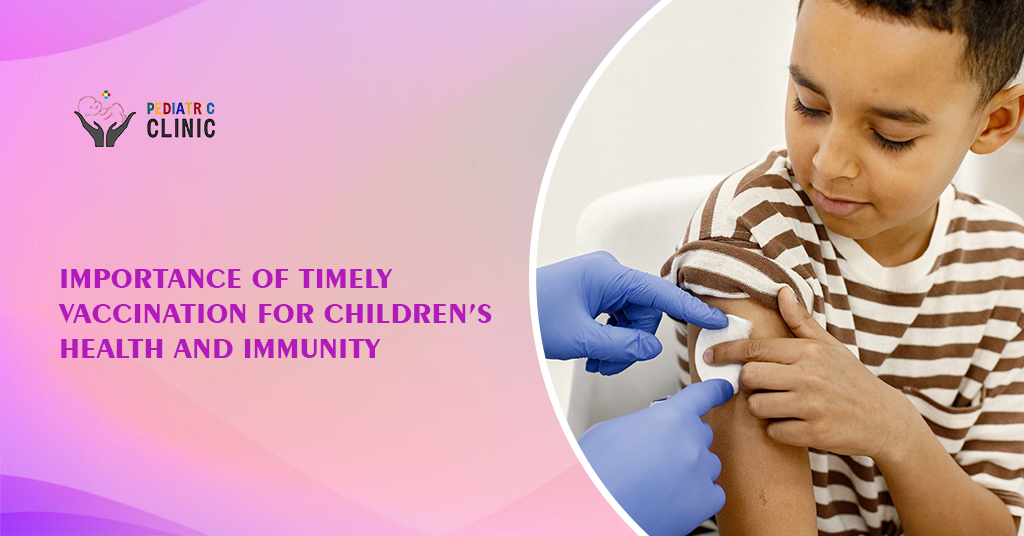
Every parent wants to see their child grow strong, active, and protected from harm. We can protect children from numerous serious diseases which could lead to death through our vaccination programs which operate at scheduled times. Vaccination serves as a medical procedure which people must complete but it gives them the strongest protection which enables their child to maintain good health throughout life.
Vaccination becomes essential because infections spread through schools and playgrounds and communities during this modern era. Parents who understand timely vaccination needs will make better health decisions for their children.
What Is Timely Vaccination?
Timely vaccination means giving each vaccine dose at the recommended age according to the national immunisation schedule or your pediatrician’s guidance. The medical experts established these schedules to deliver protection at times when children face their highest risk of particular diseases.
The immune system of a baby develops throughout the initial three years of existence. Vaccines are scheduled to strengthen immune responses which protect children from dangerous infections. The protection from diseases becomes weaker when people wait to receive their vaccines because they miss important vaccination times.
The correct vaccination schedule provides essential health and immunity support for your child during each stage of their vital development process.
Why Timely Vaccination Is Essential for Children’s Health
Protection Against Serious Diseases
Vaccines provide protection against dangerous infections which include measles and polio and diphtheria and tetanus and whooping cough and hepatitis B and additional diseases. Young children used to suffer severe health issues which resulted in disabilities and death because of many of these illnesses.
The current lower occurrence of these diseases results from ongoing vaccination programs which have been implemented. The diseases continue to exist in the present day. The occurrence of these infections increases when people stop getting vaccinated or postpone their vaccine appointments.
Vaccination needs to occur on time because it protects children by building their immunity before they come into contact with infectious agents.
Strengthening the Immune System Naturally
Vaccines function by teaching the immune system to identify and combat particular viruses and bacteria. The vaccine contains a secure and regulated version of the germ which allows the body to develop antibodies without experiencing the actual disease.
The body uses immune memory to generate a rapid and efficient defense mechanism which protects the child during future real-life encounters with the infection. Booster shots develop this protection system through multiple applications.
Parents who comply with the immunisation schedule help their children develop strong and lasting immune protection.
Preventing Complications and Hospitalisation
Some childhood infections may appear mild at first but can quickly turn serious. Measles can lead to pneumonia or brain infection. Whooping cough can cause breathing difficulties in infants. Tetanus can be life-threatening.
Timely vaccination significantly reduces the risk of severe complications and hospital admissions. It protects not only your child’s present health but also safeguards their future wellbeing.
Also Read:
- Autism in Children: Early Signs, Symptoms, and Treatment Options
- Managing Tantrums in Toddlers Without Stress
- How Lifestyle Has Changed Kids’ Health Completely
- Why Is It Important to Have a Pediatrician?
- Track Your Baby’s Growth and Development
The Risks of Delaying or Skipping Vaccines
Increased Vulnerability
When vaccines are delayed, children remain unprotected for longer periods. This increases the likelihood of catching infections during crucial developmental stages.
Infants and toddlers are particularly vulnerable because their immune systems are still maturing. Missing scheduled doses may leave them exposed during high-risk phases.
Community Outbreaks
Vaccination protects more than just one child. When a large percentage of children are immunised on time, it creates community protection, often called herd immunity. This helps protect newborns, children with weakened immune systems, and those who cannot receive certain vaccines.
If vaccination coverage decreases, outbreaks of preventable diseases can occur. Timely vaccination for children’s health and immunity plays a vital role in maintaining public health.
Understanding the Childhood Immunisation Schedule
Vaccination begins at birth and continues through infancy, childhood, and adolescence. Each vaccine is scheduled at a specific age to ensure maximum effectiveness.
At Birth
BCG, Oral Polio Vaccine, and Hepatitis B are commonly administered.
6 to 14 Weeks
Vaccines protecting against diphtheria, tetanus, pertussis, polio, Hib, rotavirus, and pneumococcal infections are given during this period.
9 to 12 Months
Measles, Mumps, and Rubella (MMR) vaccine is typically administered.
15 to 18 Months and Beyond
Booster doses strengthen immunity and extend protection into later childhood.
Your pediatrician may personalise the schedule depending on your child’s health, medical history, and local recommendations. Maintaining a vaccination record and following reminders ensures no dose is missed.
Common Concerns Parents Have About Vaccination
Parents naturally want to understand vaccination processes for their children. Parents commonly worry about vaccine side effects and safety and the total vaccine count that needs to be administered during one visit.
Vaccines typically induce mild side effects that include low-grade fever and injection site swelling and short periods of irritability. These symptoms represent typical immune system responses that occur during the vaccination process.
Vaccines demonstrate safety and effectiveness because scientists conduct comprehensive studies and use rigorous safety assessment methods. The advantages of receiving vaccinations on schedule during childhood exceed the minimal dangers that come with minor side effects.
Your pediatrician can solve your doubts through open communication while providing you with reassurance.
Practical Steps to Ensure Timely Vaccination
Parents can take simple steps to stay on track:
- Keep an updated vaccination card.
- Set calendar reminders for upcoming doses.
- Attend regular pediatric checkups.
- Consult your doctor before delaying any vaccine.
Consistency is key. A small delay can lead to unnecessary vulnerability, while staying on schedule builds strong protection.
Conclusion
Vaccination should occur at the proper time because it protects children’s health and builds their immune defenses. Vaccines represent the most significant accomplishment of contemporary medicine because they stop millions of diseases and protect countless lives every year.
The vaccination schedule establishes a protective barrier for your child which strengthens their immune response while protecting them from critical illnesses and benefiting public health. Immunization requirements exist as a medical obligation and a personal dedication which functions as an expression of parental love for their child.
Your decision to make vaccination your primary concern today creates a healthier and safer future for your child.
Frequently Asked Questions
1. Are vaccines safe for my child?
Yes. Vaccines undergo strict testing and monitoring before approval. Most side effects are mild and temporary.
2. What should I do if my child misses a vaccine dose?
Consult your pediatrician immediately. A catch-up schedule can be created to ensure your child regains protection safely.
3. Can multiple vaccines at once harm my child?
No. A child’s immune system can handle multiple vaccines. Combination schedules are carefully designed for safety and effectiveness.
4. Should vaccination be delayed if my child has a mild fever or cold?
In most cases, mild illness does not require postponing vaccination. However, always consult your doctor for guidance.
5. Why is vaccination important even if certain diseases seem rare?
Diseases can return if vaccination rates decline. Continuing immunisation ensures long-term protection for future generations.