
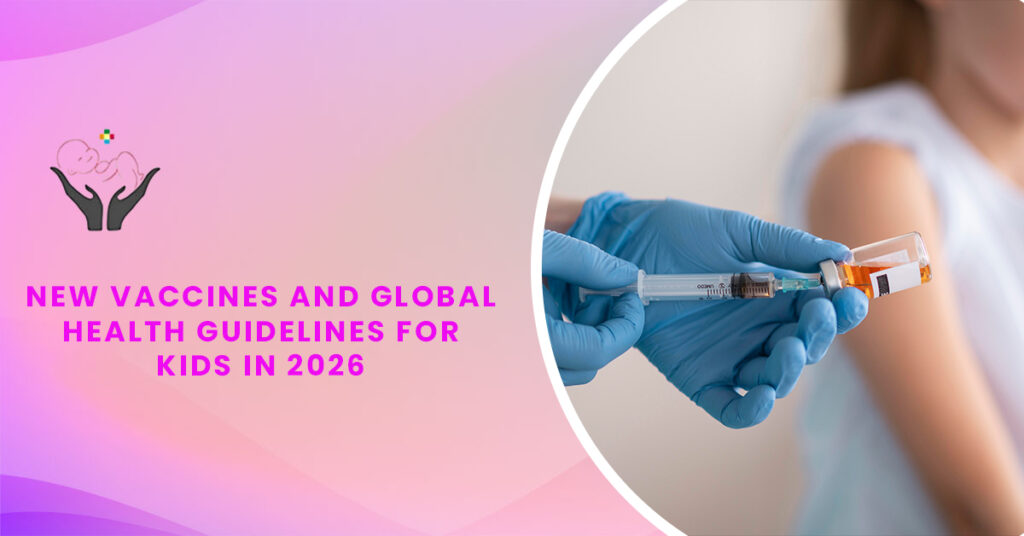
Prevention is the key to everything when it is about safeguarding children. In every passing year, improving the medical science is responsible for making the children healthier, and stronger, and for giving them safety against those diseases which previously caused severe issues and even death. The year of 2026 has promised to bring in the global pediatric community some vital updates with majorly vaccines and child health guidelines.
The pediatric department, New Born Clinic, Greater Noida West acknowledges that parents are in need of an easy and straight-to-point explanation. What has been going on this year? Which vaccines are mandatory for your child? What’s the doctor’s global recommendation for better immunity? Let’s break down everything you need to know about the new vaccines and global health guidelines for kids in 2026, in simple, clear language.
1. Why 2026 Marks a Major Shift in Child Health
Health care practices concerning children have shifted to being more preventive and less reactive. Rather than waiting for a child to show symptoms of a disease, doctors nowadays concentrate on immunizing the child at a very early stage and thereby creating a strong base of immunity.
In the year 2026, the World Health Organization (WHO) and Indian Academy of Pediatrics (IAP) have been the ones to update the guidelines with a focus on the prevention of diseases and thus their content stands in accordance with this preventive approach.
Here’s what’s changing:
- Broader coverage for diseases that are re-emerging due to climate change and global travel.
- Updated timelines for certain vaccines based on improved data on immunity duration.
- More emphasis on mental, nutritional, and respiratory health as part of overall pediatric wellness.
2. Newly Recommended Vaccines for 2026
A few important vaccines have either been newly approved or added to the global pediatric schedules this year. While not all may be mandatory in India yet, awareness helps parents stay ahead.
a. RSV (Respiratory Syncytial Virus) Vaccine
One of the biggest updates in 2026 is the rollout of the RSV vaccine for infants. RSV is a common cause of respiratory infections, often severe in babies below one year.
Now, new formulations have shown strong protection in clinical trials, reducing hospitalizations significantly.
b. Updated COVID-19 Pediatric Booster
COVID isn’t gone. The virus has continued to evolve, and so have vaccines. In 2026, a next-generation pediatric booster has been introduced for children aged 5–12 years. It offers broader protection against newer variants with milder side effects.
c. Malaria Vaccine (RTS,S and R21/Matrix-M)
For the first time, WHO has officially recommended dual malaria vaccines for regions affected by mosquito-borne infections, including parts of India. This is a significant milestone for tropical countries where malaria continues to be a concern for families.
d. Meningococcal Vaccine (Expanded Coverage)
With rising travel and migration, global health authorities now advise earlier administration of meningococcal vaccines — protecting children against bacterial meningitis that spreads quickly in communities.
e. HPV Vaccine (Now Gender-Neutral)
Earlier, the HPV vaccine was mainly recommended for girls. In 2026, it’s officially gender-neutral, aiming to protect both boys and girls from HPV-related infections and cancers.
Also Read:
- Holistic Pediatric Wellness for 2026
- Is Your Child Getting Enough Vitamins?
- Dehydration and Oral Rehydration Therapy (ORS)
- Why Hand Hygiene Is Still the Best Protection for Your Child
3. Strengthened Focus: Global Health Guidelines for 2026
The 2026 global child health guidelines are not just about vaccines — they redefine how we approach holistic wellness for children. Pediatricians across India, including at Pediatric New Born Clinic, are aligning care practices with these new standards.
Key Focus Areas:
- Nutrition-First Immunity:
A child’s diet directly influences how well vaccines work. Balanced nutrition, with adequate iron, vitamin D, and probiotics, is now a cornerstone of pediatric wellness. - Digital Health Monitoring:
Parents are encouraged to use digital vaccination records and pediatric tracking apps. These ensure timely reminders for doses and check-ups, minimizing missed schedules. - Mental and Emotional Well-being:
The WHO has urged pediatricians to integrate emotional health assessments into regular child visits, especially for post-pandemic anxiety and behavioral concerns. - Respiratory Health Monitoring:
With pollution and seasonal infections on the rise, 2026 focuses heavily on respiratory care — routine lung checkups, allergy assessments, and preventive counseling are becoming the norm. - Personalized Vaccine Scheduling:
No two children are alike. Global guidelines now highlight customizing vaccine plans based on health history, allergies, and region-specific diseases.
4. What Indian Parents Should Know in 2026
The Indian Academy of Pediatrics has harmonized most of its 2026 recommendations with global updates, but with an Indian context.
Here’s what to keep in mind:
- Vaccines like RSV and Malaria may soon become part of the Indian Universal Immunization Program (UIP).
- Parents should maintain digital vaccine cards and ensure boosters are updated annually.
- Regular wellness visits — not just sick visits — are now essential for growth tracking and preventive care.
- Pediatricians emphasize hygiene, hydration, and air quality control in homes for better respiratory health.
At the Pediatric New Born Clinic, we also encourage parents to discuss global vaccine updates with the doctor during every visit — even if they are not yet part of India’s national schedule. Staying informed is the first step toward protecting your child.
5. Beyond Vaccines — A Shift Toward Whole-Child Health
Vaccines protect your child’s body, but the 2026 pediatric guidelines emphasize whole-child wellness — a balance of physical health, mental stability, nutrition, and preventive awareness.
In 2026, pediatric clinics like ours focus on:
- Preventive health checkups twice a year
- Tracking growth milestones beyond physical measurements
- Counseling for healthy digital habits and mental balance
- Guidance for sustainable, chemical-free child care products
- Immunity-boosting nutrition programs tailored for Indian children
This holistic model ensures children not only avoid illness but also thrive physically, emotionally, and socially.
6. Why Pediatric New Born Clinic Leads the Way
The change in the pediatric care approach has been always supported by our clinic in Greater Noida West as it saves lives. We put patient families first and put forward the most recent and trustworthy health recommendations as the global health guidelines change.
The physicians offer everything ranging from customized vaccination plans to knowledge on forthcoming immunizations and view things from the angle of prevention, clarity, and reassurance; thus, parenting becomes informed at every stage.
The Pediatric New Born Clinic is the best option for you whether you are a first-time parent getting used to the 2026 changes or a family bringing in your child for immunizations after having already delayed vaccines.
Conclusion: Let’s Build a Healthier 2026 for Every Child
With the arrival of 2026, the main theme is very clear — prevention is the key. Vaccines remain the safest and most effective means of preventing children from being affected by diseases that are still present in our surroundings. However, it is the education and the regularity that create the actual impact, in addition to the injections.
At Pediatric New Born Clinic, we advise you to book an all-inclusive child wellness visit for this year. Let’s check your child’s vaccination record, exchange any new information, and outline a health plan that is future-ready.
Because it is your child who deserves medical care that keeps up with the times.
Visit Pediatric New Born Clinic, Greater Noida West — where healthy futures begin.
FAQs
1. Are the 2026 vaccines available in India yet?
Some vaccines like the new RSV and malaria vaccines are gradually entering Indian markets. Availability may vary by city and clinic, so always consult your pediatrician.
2. Is the updated COVID-19 pediatric booster mandatory for kids?
Not mandatory, but strongly recommended for children above 5 years to maintain protection against new variants.
3. What is the right age to start the HPV vaccine for boys and girls?
The ideal age is between 9–12 years, before the onset of adolescence, as per 2026 global guidelines.
4. How do I track my child’s updated vaccine schedule digitally?
You can use government apps like CoWIN or your pediatric clinic’s digital records. Pediatric New Born Clinic provides digital vaccination tracking for all patients.
5. How often should my child visit the pediatrician in 2026?
At least twice a year for general wellness, in addition to vaccination or illness visits. Regular reviews ensure all vaccines and growth parameters are on track.

